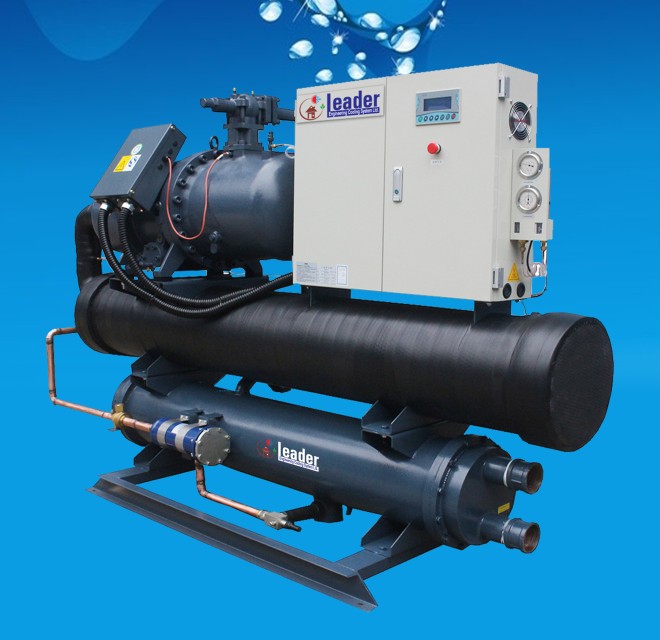
What is a Water Cooled Chiller?
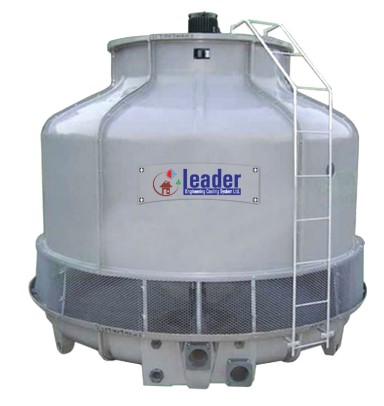
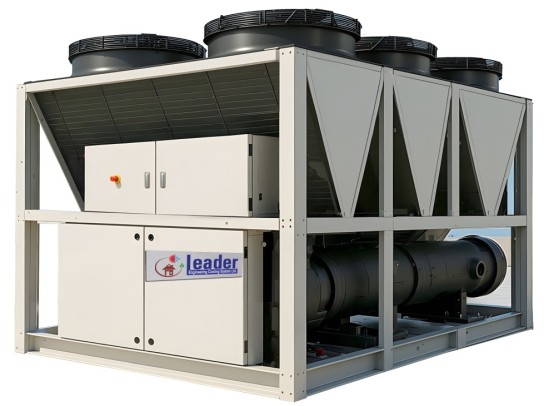
It is a high-grade industrial cooling solution that is used to remove heat in the large surrounding area or the industrial system by using water. This equipment consists of a cooling tower, which transfers the heat from the condenser to the water, which is then transferred back to the chiller, and the process continues.
Benefits of Using a Water-Cooled Chiller
This machine is a reliable cooling source for large industries. They can easily handle the temperature fluctuations and ensure smooth operations. This water-based cooling solution is helpful in:
- Increases the energy efficiency
- Maintain the uniform temperature level
- Long-life
- Prevents extra heat, which will make the situation uncomfortable for the workers as well as damage the equipment.
How Does the Water-Cooled Chiller Work?
Step 1: Warm Water is introduced in the Chiller:
The operations start when the warm water from the building enters the chiller machine. It absorbs all the heat from the machine and the surrounding environment.
Step 2: Evaporator Removes the Heat:
The evaporator component consists of a liquid named refrigerant, which is cold. When the water enters the evaporator chambers, it absorbs all the heat and ends up turning into gas. The cool water, in turn, now returns to the system to continue with its cooling process.
Step 3: Compression:
The refrigerant, which has now taken a gas form and is warm due to heat absorption, which backed into the compressor. The compressor adds pressure to the gas, which leads to an increase in temperature. The compression leads to the release of the heat, which is absorbed by the gas.
Step 4: Heat is Released into the Condenser:
Now the refrigerant enters the condenser chamber, which has chilled water flowing from the cooling tower. It absorbs the heat from the refrigerant gas, which leads to it going back to its original liquid form. The heated water is now sent back into the cooling tower, and the process continues.
Step 5: Cooling Process Continues:
The liquid refrigerant now passes through the evaporator component of the machine, which leads to it turning back into a gas form. The cooling process continues.