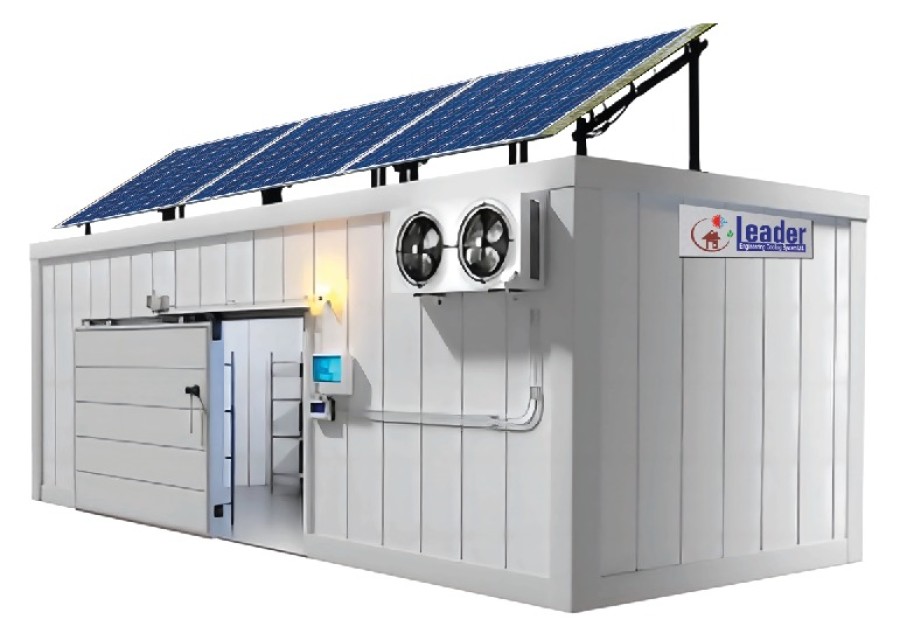
- Introduction The solar cold storage enables effective use of solar energy for cooling of fruits /vegetables /other perishable items so as to store and preserve them for a longer duration. Today solar cold storage is treated as a most versatile product in cold chain industries. This product is changing the cold chain infrastructure landscape in most effective manner. This product is targeted poorly electrified area or place using diesel as power sources.
- Technology The cold storage unit in off-grid operation, primarily runs on power generated from Solar Photovoltaic and can be switched to grid during cloudy days. During sunshine hours the electricity generated from solar photovoltaic is used to provide cooling through a vapor compression refrigeration cycle to cool a cold room and store the excess energy in Thermal Energy Storage (TES) System. In Thermal Energy Storage (TES) system the energy is stored in phase change material such as water or water salt eutectic mixture and transferred to the cold storage unit depending on the usage needs. During non-solar hours, the cooling needs of cold storage unit are met from the thermal energy storage system. Use of solar photovoltaic and thermal energy storage backup eliminates dependency on grid and need of diesel generator as a backup device.
- Technical Specification
Major Components
The system comprised mainly of the following components and equipment:
- Cold Room,
- Solar PV System,
- Solar Controller,
- Refrigeration System,
- Thermal Energy Storage (TES) System,
- Maintenance free Battery for meeting Auxiliary Load. Combination of all these components is unique. Any change in combination will be treated as different model of Solar Cold Storage System.
-
- Block of the complete system
-
-
- Solar Panel
- Cold Room
- Condensing unit (including compressor)
- Evaporating System
- Thermal Storage System
-
-
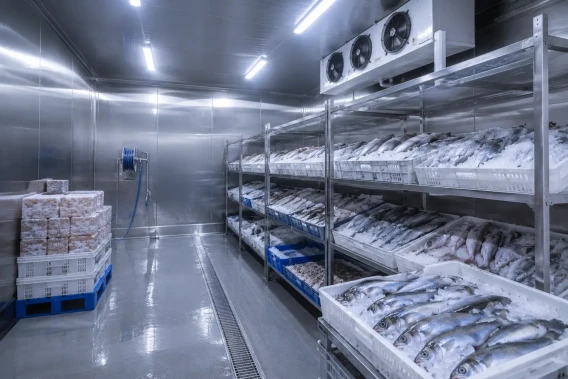
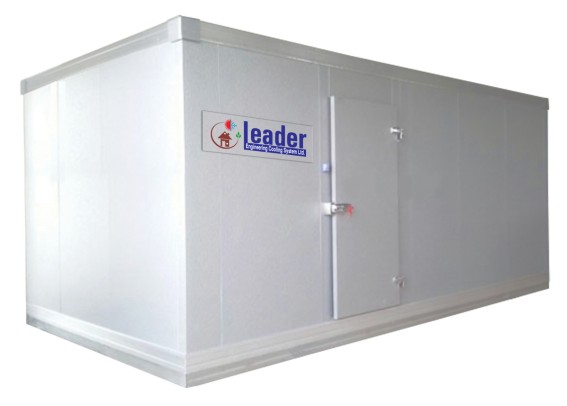
- Cold Room The cold room is a PUF insulated room that maintains desired temperature and humidity for storage of commodities. The cold room is equipped with refrigeration unit which provides necessary cooling by circulating cold air to the commodities for preservation.
- Solar Photovoltaic System
The SPV system generates electrical powers during sunshine hours which are used to operate the cold storage system. It provided electricity for running refrigeration system and auxiliary load.
The SPV system shall have following specifications:
Crystalline silicon cell PV modules of 330 Wp or higher capacity.
The PV module has IEC 61215 qualification certification for solar PV modules.
- The PV module conforms to IEC 61730 Part-1 requirements for construction & Part-2 requirements for
testing for safety qualification.
- The PV modules qualifies relevant IEC standard.
- The PV modules used in solar power plants/ systems are warranted for their output.
- peak watt capacity, which is not less than 90% at the end of 10 years and 80% at the end of 25 years.
- All PV modules should have STC testing certificate from an NABL accredited test laboratory
-
- Solar Controller
The controller converts the DC power (DC voltage & Current) of the PV array into a controlled high or low DC voltage power, or converts this DC power into single-phase or three-phase alternating-current power (voltage or alternating current) suitably for driving the refrigeration system.
NOTE —The Controller may also include equipment for MPPT, monitoring, metering and sine wave filters.
-
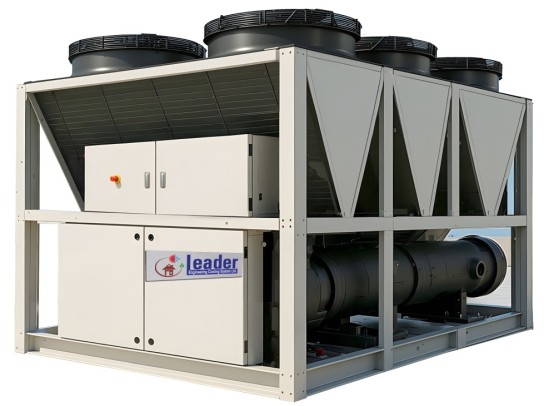
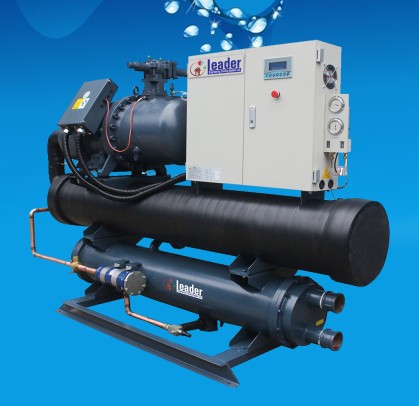
- Refrigeration System Refrigeration system consisting of condensing unit and evaporating unit is working on vapor compression cycle. The condensing unit generates cooling energy which can be used for charging the thermal energy storage system and to provide cooling to the cold storage depending upon the design of Solar Cold Storage system.
- Thermal Energy Storage (TES) System In Thermal Energy Storage (TES) system the energy is stored in phase change material such as water or water salt eutectic mixture and transferred to the cold storage unit depending on the usage needs. During non-solar hours, the cooling needs of cold storage unit are met through the stored cooling in the Thermal Energy Storage (TES) system.
-
- Electric Battery System for Auxiliary Components The auxiliary power system consists of MPPT based inverter/ MPPT charge controller and battery. These are meant to provide electricity for auxiliary electrical loads such as fans of evaporator unit, thermal energy storage control panel, temperature controller unit, lighting, and data monitoring system.
- Description of the Units
Constructional
|
Model |
5MT |
10 MT |
|
Product Dimension |
20'X 8'X8'(LXBXH) |
40' X 8'X8'(LXBXH) |
|
Useful Volume |
750 cft |
1500 cft |
|
Cold Room Insulation |
Poly Urethane Foam (PUF), 100mm, 40kg/m3 |
|
|
Cold Room body |
Pre-painted Galvanized Iron |
|
|
Room Door |
100 mm PUF, heavy-duty hinges & lock |
|
|
Curtains |
PVC to reduce infiltration on door opening |
|
Operational data
|
Model |
5MT 10 MT |
|
Refrigeration TR |
~2.7 TR approx. ~5.4 TR approx. @ - 5°C evaporating @ - 5°C evaporating and and 50°C Condensing 50°C Condensing |
|
Storage capacity |
5 MT depending upon 10 MT depending upon the commodity the commodity |
|
Temperature Range |
2°C - 10°C or 10°C -20°C using set point control |
|
Humidity Range |
80%-95% by using set point-controlled humidifier |
|
Backup type |
Wall Mounted Plate Type Thermal Energy Storage |
|
Backup Duration |
24 Hrs. (With Solar Only operation @ 5.5kWh/m2/day) |
|
Model |
5MT 10 MT |
|
Pre-Cooling Minimum Pre- |
|
|
cooling capacity only with |
500 kg within 6 hours 1000 kg within 6 hours |
|
thermal back-up |
|
|
Remote monitoring |
GPRS based, Viewable on Desktop and Smart phone |
Power Sources
|
Model |
5MT 10 MT |
|
Auxiliary Battery (Maintenance free) |
24 V, 240 Ah |
|
Solar Power Capacity |
5 kWp Minimum 10 kWp minimum |
|
Alternative power |
1-Ph or 3-ph Grid Supply/ Diesel Generator |
|
Sl. No. |
ITEM |
QTY. |
PRICE |
|
1 |
Refrigeration System Including:
|
01 |
|